
No Prior Knowledge
Condition 01 The seller genuinely did not know about the defect at the time of the sale.
A latent defect is a hidden fault in a property that existed at the time of sale, was not visible or reasonably discoverable during a normal inspection, and materially affects the property's value or usability. Unlike patent defects, which are clearly visible during an inspection, latent defects only become apparent later — often after the purchaser has already taken occupation.
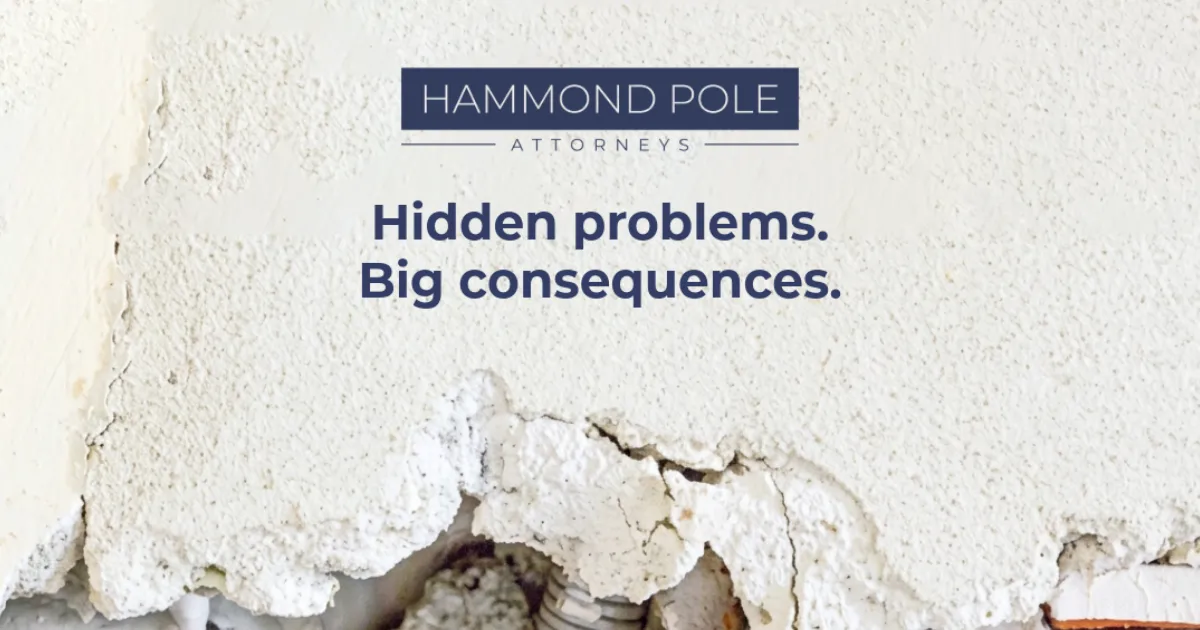
In South African property law, a seller is generally expected to act honestly and disclose known latent defects to a purchaser. If a seller knows about a hidden defect and intentionally conceals it or fails to disclose it, this may amount to fraudulent misrepresentation.
Examples of concealment include: Painting over damp patches shortly before sale · hiding structural cracks behind cupboards or finishes · temporarily repairing leaks to avoid detection during viewings · providing false assurances about the condition of the property.
Where fraud can be proven, the purchaser may have legal remedies against the seller even if the agreement contains protective clauses.
Most property sale agreements in South Africa contain a voetstoots clause. This means the property is sold "as is", in its existing condition. A voetstoots clause generally protects the seller from liability for defects discovered after the sale, but only where:
Condition 01 The seller genuinely did not know about the defect at the time of the sale.
Condition 02 There was no deliberate attempt to hide the defect from the purchaser.
Important: A voetstoots clause does not protect a seller who knowingly hides a latent defect. Courts have repeatedly confirmed that fraud overrides contractual protection.
If a purchaser wants to claim against a seller for a latent defect, they usually need to establish all four of the following:
1 The fault was present before or during the transaction, not introduced afterwards.
2 It was not visible or reasonably discoverable during a normal inspection.
3 The seller had actual knowledge of the hidden fault prior to the sale.
4 The concealment was deliberate. Photographs, repair invoices, contractor reports, WhatsApp messages, or testimony from neighbours or previous tenants may all serve as important evidence.
Depending on the circumstances, a purchaser may be entitled to one or more of the following:
Remedy 01 The sale agreement may be cancelled and the transaction unwound.
Remedy 02 A reduction in the purchase price to reflect the diminished value caused by the defect.
Remedy 03 Compensation covering the cost of repairing or remedying the defect.
Remedy 04 Recovery of further losses suffered as a result of the defect.
The appropriate remedy will depend on the seriousness of the defect and whether fraud can be established.
Sellers can reduce risk and avoid costly litigation by taking the following steps:
📋 Fully disclose known defects upfront
✅ Complete disclosure forms honestly
🗂️ Keep records of repairs and maintenance
🚫 Avoid cosmetic cover-ups before sale
⚖️ Seek professional advice where uncertain
Transparency often prevents expensive litigation later.
Purchasers should protect themselves throughout the buying process:
🔍 Conduct thorough inspections before signing
🏗️ Use professional inspectors or engineers
📄 Carefully review disclosure documents
❓ Ask about previous repairs in detail
✍️ Get all representations in writing
A proper due diligence process can save significant costs after transfer.
Latent defects remain one of the most common causes of property disputes in South Africa. While voetstoots clauses offer sellers some protection, they are not a shield against dishonesty or fraudulent concealment. For both buyers and sellers, openness, proper inspections, and carefully drafted agreements are critical in ensuring a smoother property transaction and avoiding costly litigation later.
Hammond Pole Attorneys — trusted South African legal expertise in property transactions
Pond Rd, Bartlett, Boksburg, 1459, South Africa
011 874 1800